Overfed Your Worm Bin? How to Fix It Before the Whole System Crashes
If you're dealing with an overfeeding worm bin , the first job is diagnosis, not panic. A healthy bin can look messy. That's normal. What you’re watching for is food piling up faster than the worms and microbes can process it. If you still see slimy avocado, clumps of rice, or soggy greens from several days ago, the system is falling behind. Add a sour smell, condensation, or a sudden burst of fruit flies, and you're not just feeding generously anymore. You're pushing the bin toward a worm bin crash.
Worms usually tell you before the bin fully goes sideways. They may cluster on the lid, crowd the corners, or disappear deep into the bedding because the top layer has turned acidic, hot, or low in oxygen. Bedding that used to feel like a wrung-out sponge starts feeling swampy and compacted. That’s the real problem behind most vermicomposting mistakes: not “too much food” in a simple sense, but too much wet, fast-rotting food for the amount of worm mass, bedding, airflow, and microbial balance in the bin.
Stop Feeding Immediately and Remove the Worst Offenders
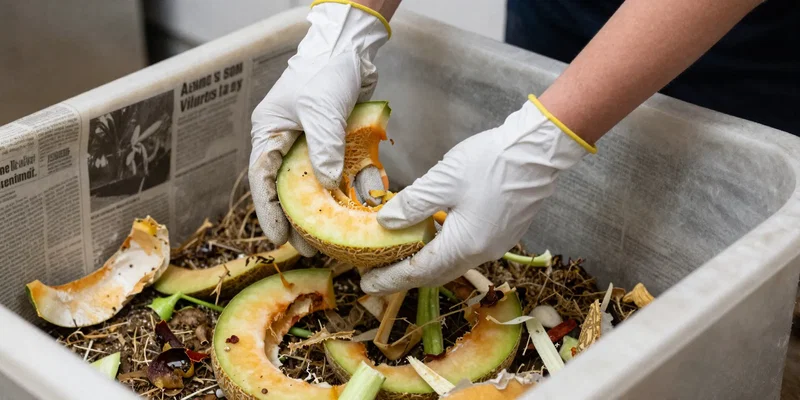
Here’s the first fix for an indoor compost problem like this: stop adding food. Completely. Don’t “just give them a little.” Don’t bury one more banana peel because it feels wasteful not to. An overfed bin needs recovery time, not optimism. Then remove any obvious masses of undecomposed food, especially the wet, sugary, or starchy stuff. Melon rinds, cooked leftovers, bread, heaps of coffee grounds, and big chunks of fruit are common troublemakers because they rot fast, go anaerobic, and attract pests.
You do not need to strip the bin bare. Leave behind small amounts of partially broken-down material if it smells earthy and looks manageable. But if something is slimy, matted, heating up, or smelling fermented, get it out. Use a scoop or gloved hand and work gently so you don’t remove half your worm population with it. This one step often prevents a full worm bin crash because it immediately lowers moisture, microbial heat, and the volume of food competing for oxygen.
Rebuild the Bin With Dry Bedding So It Can Breathe Again
Once the excess food is out, the bin needs structure. Dry bedding is the fastest, safest indoor compost fix because it solves several problems at once. Add a generous layer of shredded cardboard, torn plain paper, paper egg carton, or dry coco coir. More than you think you need. If the bin feels soupy or compacted, you’re not dusting it with bedding; you’re rebuilding the habitat. The goal is to absorb extra moisture, create air pockets, and dilute the rich nitrogen-heavy food that tipped the system out of balance.
Fluff the top few inches while you add bedding, but don’t churn the whole bin like garden soil. Worm bins recover better with gentle mixing than aggressive stirring. You want oxygen back in the upper layers without stressing the worms or turning the whole thing into muck. When you’re done, the material should feel springy and loose, not packed and sticky. A lot of people blame worms when the real issue is habitat collapse. Give them breathable bedding, and they usually handle the rest.
Deal With Smell, Fruit Flies, and Other Signs the Bin Is Sliding
A sour or rotten smell means the bin has gone low-oxygen. That’s why simply waiting it out rarely works. Anaerobic pockets don’t magically become healthy because you closed the lid and hoped for the best. If the odor is sharp, vinegary, or swampy, keep adding dry bedding and uncover any dense food clumps you missed. Leave the lid slightly ajar if your setup allows safe airflow, or improve ventilation according to your bin design. The smell should shift back toward damp earth within a few days. If it doesn’t, there’s still too much rotting material buried inside.
Fruit flies and fungus gnats are another clue that the feeding rhythm is off. Covering exposed food with fresh bedding helps a lot, but if the population has already exploded, set simple vinegar or sticky traps outside the bin and stop giving them new breeding material. This is one of the most common vermicomposting mistakes indoors: assuming pests mean the whole system is doomed. Usually it just means the buffet stayed open too long. Cut the food supply, dry the surface, and the insects lose interest fast.
Know When the Worms Need Rescue, Not Just Better Conditions
Most bins bounce back without dramatic intervention, but sometimes conditions have gone far enough that the worms need immediate relief. If you see mass escape behavior, lots of limp or dead worms, strong heat in the bedding, or a truly foul odor that hits you the second you open the lid, act faster. Move healthy worms into a temporary holding setup with fresh, damp bedding and no food for a few days. A shallow tray, spare tote, or even a bucket with airflow can work in a pinch if the bedding is clean and moist, not wet.
Actually, this is where people often make a second mistake. They rescue the worms, then feed the temporary bin right away because they feel guilty. Don’t. Fresh bedding already contains microbial food, and stressed worms can live off that while they settle down. Once the worms start spreading through the bedding instead of clumping against the walls, you can offer a very small amount of food. If the original bin still reeks or feels hot, rebuild it before moving anyone back. Saving the worms matters more than saving every scrap of compost.
Restart Feeding Slowly So You Don’t Repeat the Same Crash
After an overfed worm bin stabilizes, the temptation is to swing right back to business as usual. Bad idea. Restart feeding with a small portion buried in one corner, not spread everywhere. Think chopped scraps, not whole peels and definitely not a mound of leftovers. Then wait. Check that spot in a few days. If the food is breaking down nicely and the worms are active around it, feed again. If it’s still sitting there wet and ugly, wait longer. Your feeding schedule should follow the bin’s pace, not your kitchen scrap output.
A simple rule helps: feed based on what disappeared, not what accumulated on the counter. Keep more bedding on hand than you think you need, freeze or refrigerate scraps if necessary, and chop bulky food to speed breakdown without creating giant anaerobic pockets. Rotate feeding zones so one area can recover while another gets fresh material. For indoor systems especially, caution beats volume. Most worm bin crash stories start with good intentions and too much confidence. A steady, boring routine is what keeps a worm bin healthy, odor-free, and actually useful.