7 Reasons Handles Crack Off Your Wheel-Thrown Mugs
You grabbed a leatherhard mug body and slapped a wet, sloppy handle on it. Classic. The mug has already shrunk. The handle hasn't even started. So what happens next? They divorce. Messily. That difference in moisture content is probably the number one reason mug handle cracks ruin your day. When one piece shrinks and the other stays put, something has to give. Usually it's your sanity. Match your moisture levels before you even think about the next step. Leatherhard meets leatherhard. Wet meets wet. Anything else is one of those pottery mug problems you could've avoided.
Smooth on Smooth Is a Ceramic Divorce Waiting to Happen
Two slick surfaces pressed together do not make a bond. They make a lie. If you're trying to attach handles without scoring and slipping, you're basically hoping clay telepathy works. It doesn't. Scratch both surfaces deep enough to make them ugly. Add slip. Not a polite dab. A real smear. Then press. Hard. That mechanical bond is the only thing keeping someone's morning coffee from hitting the floor.
There's a Bubble in Your Handle and It's Plotting Against You
You pulled that handle fast. I get it. You're in the zone. But if there's air trapped inside, you've built a structural time bomb. That pocket expands during firing. Or it creates a weak point that snaps under stress. When you're pulling handles, work the clay first. Compress it. Make sure it's solid. Because nothing ruins a beautiful wheel-thrown mug like a hollow lie hiding inside the loop.
Chunky Attachments Crack Under Their Own Weight
Here is where most people mess up the finish. They leave a fat wad of clay where the handle meets the body. Thick spots dry slower. They create stress concentrators. Then? Pop. When you attach handles , thin out those ends before they ever touch the mug. Blend them into the wall like they grew there. Not like a tumor. Your fingers should feather that connection until it's seamless. The thinner and smoother the transition, the stronger the joint.
You Picked the Wrong Moment
Timing is everything. Try to attach a handle to bone-dry clay and you're already dead. Too wet and the mug collapses under pressure. There's a sweet spot. It's called leatherhard. The body is stiff enough to hold its shape but damp enough to still accept new clay. Miss this window and you're not fixing handle attachment issues. You're making future landfill. Test the wall. It should feel cool and firm, not cold and mushy.
Your Handle Is Fighting Gravity
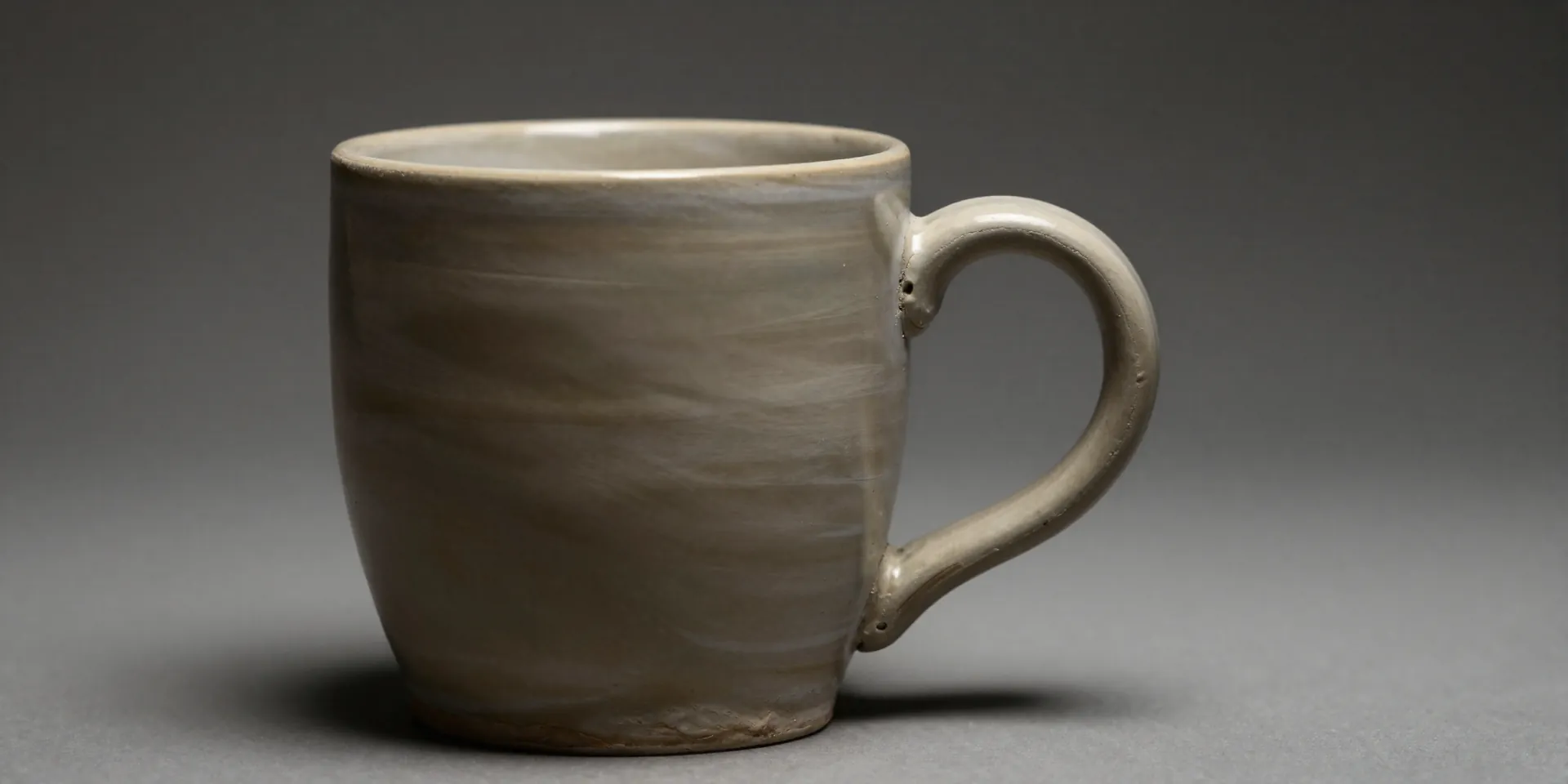
A handle that juts out like a diving board is begging to snap. The weight of the mug plus liquid puts all the stress on two tiny points. Bad geometry isn't just ugly. It's mechanical suicide. Pull your handles with an arc that shares the load between top and bottom attachments. Let the shape do the work. A graceful curve isn't just pretty. It's physics working in your favor instead of against it.
You Slapped It On and Hoped for the Best
This is the one nobody wants to admit. You were tired. You had ten mugs to finish. So you pressed the handle on, gave it two seconds of thumb pressure, and moved on. Weak. Real handle attachment takes compression. It takes water, pressure, and time. You need to blend those seams until the handle and mug forget they were ever separate. Do it right or do it again. Those are the only options.